
Underground utility construction is everything that runs below grade between the public main and your buildings (water, sanitary sewer, storm, gas, electric, and fiber) installed to an engineered plan, tested, inspected, and documented before the site goes vertical. In South Carolina the serving utility engineers and owns its main; the developer’s contractor builds everything from the tap onto the site. Sloan Underground Construction, a family-owned contractor founded in 1965 and licensed in South Carolina (General Contractor license #14665), installs underground utilities across the Upstate, the Midlands, and Western North Carolina from its Fountain Inn base. Here’s what the scope includes, how the responsibility splits, when trenchless beats open-cut, how a commercial job runs, and what actually drives cost and schedule.
What does underground utility construction include?
On a subdivision, a commercial pad site, or an industrial expansion, “underground utilities” is a bundle of separate systems that share the same dirt and the same schedule window. Sloan Underground Construction installs all of them, and a complete bid names each one:
Water — Mains, Services, and Fire Lines
On-site water mains feeding hydrants and buildings, individual service lines to each lot or pad, and the fire service where the plan calls for one. Pressure-tested and chlorinated to the water district’s standard before acceptance. See water line installation.
Sanitary Sewer and Storm Drainage
Gravity sewer laterals from each building to the collector, and the storm pipe, culverts, and drainage runs that keep the site dry. Gravity lines have to hold grade, which is why bored sewer runs are tracked from the surface the whole way — our post on trenchless sewer line installation covers how.
Gas Service
Continuous PE gas lines from the utility’s meter set to each building, pressure-tested and inspected before the utility turns on gas. Restaurants, multi-tenant retail, and industrial process loads all start here. See gas line installation.
Electric Feeders and Primary Conduit
Conduit for the utility’s primary to the transformer pads, secondary feeders to buildings, site lighting circuits, and the spare ducts the plan should always include. See electric line installation.
Fiber, Telecom, and Multi-Duct Conduit
Fiber optic duct and telecom conduit from the carrier’s handhole to each building — usually placed as a multi-duct bundle with pull boxes at each bend so several carriers can be pulled later without reopening the ground. Our explainer on underground conduit systems covers duct banks, sweeps, and spares.
Who extends the main, and who builds on-site?
The serving utility owns and engineers a main extension, and the developer’s contractor builds everything from the service tap onto the site. That split decides who designs what, who pays for what, and what can be built when, so confirm it with each utility before the site plan is final.
When a parcel isn’t already fronted by the water, sewer, gas, or electric main it needs, the project needs a utility main extension. A typical sequence looks like this, though each utility sets its own rules: the developer applies to the water district, sewer authority, gas utility, or electric provider; the utility or its consulting engineer designs the extension to its own standards; the developer pays for it under the utility’s extension policy (sometimes with a refund mechanism as later customers connect); and the utility inspects and takes ownership of the finished main. Sloan Underground Construction does not design main extensions (that stays with the utility and its engineer) but installs to the engineered plan when the utility allows contractor-built extensions, and builds the entire on-site side from the tap in.
Start the Utility Conversations Before the Site Plan Is Final
Main extension design, capacity confirmation, and tap approvals run on the utility’s clock, not the GC’s. The projects that stall are the ones where the site work is ready and the utility hasn’t finished its review. Bring each utility in during due diligence: confirm the main exists and has capacity, ask whether an extension is needed and who is allowed to build it, and get the tap and meter requirements in writing. That single step protects more schedule than any decision made in the field.
Should a commercial site use trenchless or open-cut installation?
Most commercial projects use both, and the bid should say which runs get which method. Open-cut trenching is right on a raw greenfield site that is already being mass-graded, where the trench is cheap and nothing sits above the pipe yet. Directional boring is right as soon as any other condition in the table is true.
| Site condition | Better method | Why |
|---|---|---|
| Line crosses an existing road, drive, or parking lot | Directional bore | A bore goes beneath the pavement; a trench means cutting, patching, and traffic control. See how boring under a road works. |
| Occupied site: shopping center, plant, hospital campus, or school | Directional bore | An open trench stops business or blocks access. |
| Congested corridor | Directional bore | A steerable bore threads between live gas, electric, and fiber lines that a trench would have to expose. |
| Creek, tree-save area, or wetland buffer in the path | Directional bore | Boring beneath it avoids the surface disturbance; confirm permit needs with the approving agency. |
| Expensive restoration: curb, sidewalk, landscaping, irrigation | Directional bore | A finished site costs more to rebuild than the pipe costs to install. |
| Raw greenfield site already being mass-graded | Open-cut trench | The trench is cheap, nothing sits above the pipe yet, and the site is going to be regraded anyway. |
Sloan Underground Construction runs Ditch Witch JT-5, JT-520 and JT-2020 directional drills on commercial bores from a single crossing to 600+ feet of continuous run, with pipe from 1 inch through 12+ inches. The full method is on the horizontal directional drilling page.
How does a commercial underground utility job run?
A commercial underground utility job runs in four steps: a site visit and line-item estimate, locate and plan, bore, ream and pull, and restoration. Each step hands a document or a cleared condition to the next, so the schedule moves from the plan set to a finished, tested and walked site.
- Free site visit and line-item estimate. The crew reviews the engineered utility plan, walks the site, flags conflicts between the drawing and the ground, and writes a line-item estimate run by run, with the method (bore or trench) named for each.
- Locate and plan. An SC811 locate request is placed for every existing utility on and around the site, existing utilities are hand-exposed where needed, and the bore paths are planned around roots, trees, utilities, and the landscape. Any road or right-of-way encroachment permits are arranged before mobilization; confirm them with the road owner.
- Bore, ream and pull. Bores are drilled, reamed to size, and the pipe or conduit is pulled through below grade. Open-cut runs are trenched, bedded, and backfilled to spec. Pressure tests are witnessed by the utility or inspector where the plan calls for them.
- Restoration. Entry and exit pits are restored and the site is cleaned up. The crew walks the property with the customer before leaving, and the paperwork the utility and the engineer need for the project record is gathered.
What drives cost and schedule on underground utility work?
Six things drive cost and schedule on underground utility work: total footage, pipe size, ground conditions, crossings and permits, utility coordination, and site condition at the time of work. A bid that prices them line by line is one you can actually compare.
- Total footage and number of runs. Mobilization is amortized across the footage, so long continuous runs cost less per foot than many short ones. Our directional boring cost guide shows the per-foot math.
- Pipe and conduit size. A 2-inch water service and a 12-inch storm line are different bores, different reamers, and different pull forces.
- Ground conditions. Piedmont red clay bores cleanly; the granite shelves and rock pockets common from Greenville up into the foothills slow every method down and change tooling.
- Crossings and permits. Boring under a state or county road requires an encroachment permit from the road’s owner, and a creek or wetland crossing may carry its own approval. Each one is a line item and a lead time.
- Utility coordination. Tap scheduling, meter sets, witnessed pressure tests, and the utility’s own inspection windows set more of the calendar than the drilling does.
- Site condition at the time of work. Utilities placed before final grading go in faster and cheaper than utilities threaded through a finished site — which is exactly when trenchless earns its keep.
What should a builder look for in an underground utility contractor?
A builder should look for a verifiable South Carolina General Contractor license, a documented 811 practice, and the right drilling equipment for the job. Closeout paperwork delivered without being asked separates a professional crew from one you’ll regret, so confirm each item before hiring.
The guide to choosing an underground utility contractor lists the seven questions to ask. Sloan Underground Construction works from its Fountain Inn base and serves 28 named service areas across Upstate South Carolina, the Midlands, and Western North Carolina; the full commercial scope is on the commercial underground utilities page. Call (864) 386-1649 or send the plan set to request a bid, and find more builder guides in the Sloan Underground blog.
Frequently Asked Questions
What does underground utility construction include on a commercial or subdivision site?
Underground utility construction covers everything that runs below grade between the public main and the buildings. That means water service and on-site mains, sanitary sewer laterals, storm drainage, gas service, electric feeders and primary conduit, fiber optic and telecom duct, irrigation, and the multi-duct conduit bundles that carry several of those at once. On a subdivision it also covers the street-by-street distribution lines that feed each lot. Sloan Underground Construction installs all of these across the Upstate, the Midlands, and Western North Carolina.
Who is responsible for a utility main extension — the developer or the utility?
The serving utility owns and engineers its main. When a project needs the water, sewer, gas, or electric main extended to reach the site, the developer typically applies to that utility, the utility or its engineer designs the extension, and the developer pays for it under the utility's extension policy. A contractor like Sloan Underground then installs to the engineered plan, and everything from the service tap onto the site is the developer's scope. Confirm the split with each utility early — it drives both budget and schedule.
Is trenchless installation used on commercial sites, or only residential?
Trenchless installation is used on both commercial and residential sites. Directional boring is the default on commercial work whenever a line has to cross an existing road, parking lot, sidewalk, live utility corridor, creek, or tree-save area, and on any occupied site where an open trench would stop business. Open-cut trenching still makes sense on a raw greenfield site that is already being mass-graded. Most commercial projects use a mix, and the bid should say which runs get which method.
How long does underground utility installation take on a commercial pad site?
It depends on the number and length of runs, but the bore work itself is fast: a single driveway or road crossing is usually a day, and continuous runs of several hundred feet are commonly completed in one to a few days per utility. The schedule is more often set by utility coordination, inspections, and permits than by the drilling. Ask each bidder which closeout documents, such as as-builts and locate data, are included.
What licensing should a South Carolina underground utility contractor hold?
A South Carolina underground utility contractor should hold a General Contractor license with the classification the work requires, verifiable on the SC LLR website. Ask for the license number and look it up, and confirm the requirements for your project with the licensing board; a documented 811 practice belongs on the same checklist.
Related Articles
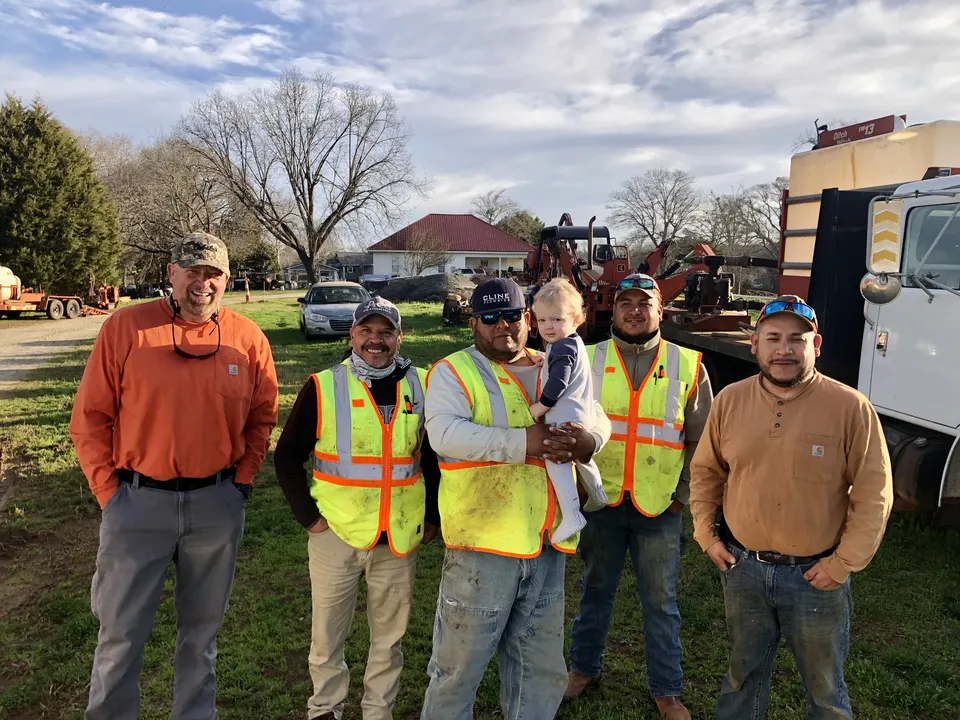
How to Choose an Underground Utility Contractor
Seven questions that separate professional crews from ones you’ll regret — licensing, 811, owned rigs, restoration, references.
Read article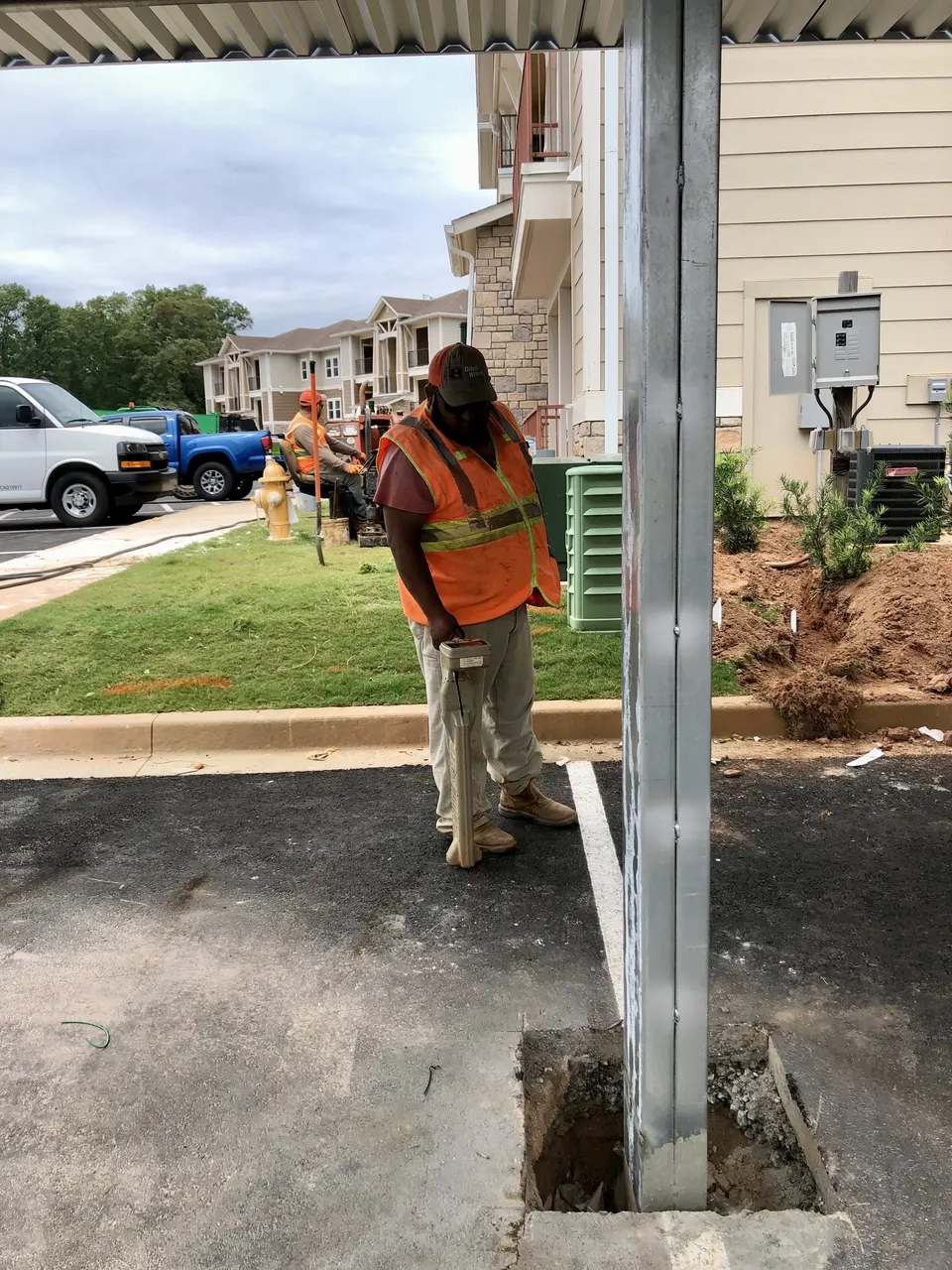
Underground Conduit Systems, Explained
Duct banks, sweeps, pull boxes, and spare ducts: why conduit beats direct burial and how boring places it under pavement.
Read article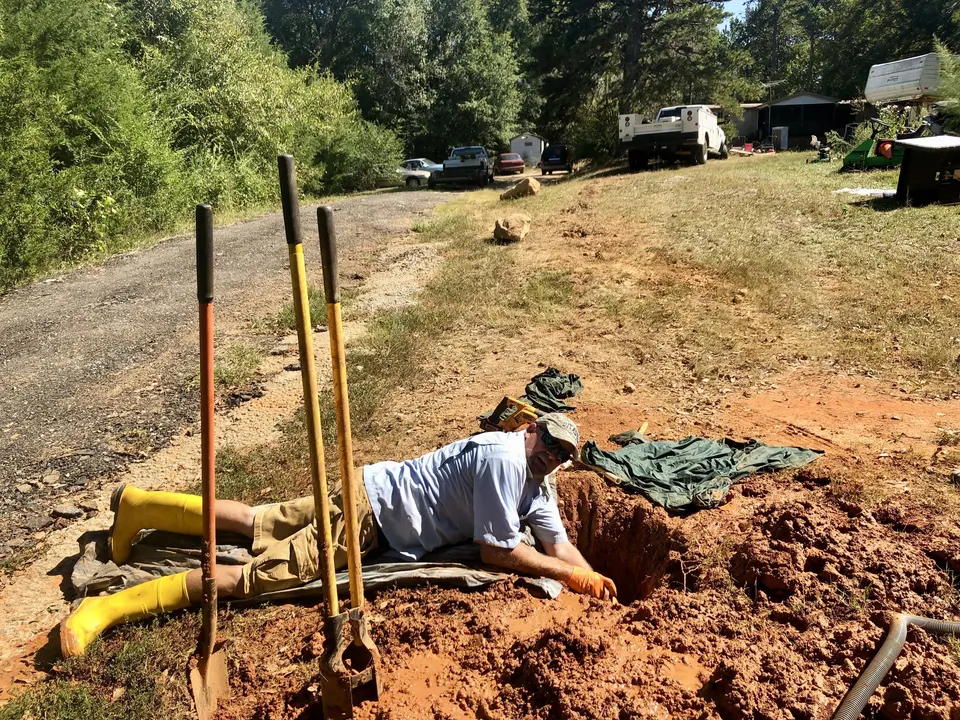
What Happens If You Hit an Underground Utility?
Who pays, what 811 actually covers, and how a plotted bore path keeps a congested corridor from becoming an incident.
Read article