
Trenchless gas line replacement uses horizontal directional boring: a licensed contractor drills a small underground path from a pit at one end of the run to a pit at the other, then pulls a new continuous polyethylene (PE) gas line through it — no trench across the yard. The old line is retired in place or removed at the connection points, the new line is pressure tested and inspected, and the gas utility reconnects the meter. It's the standard method for replacing failing buried gas lines across the Upstate, the Midlands, and Western North Carolina, and it's how Sloan Underground handles gas line installation and replacement every week. One rule before anything else: this is licensed-professional work — and if you ever smell gas at your home, leave first and call your gas utility from a safe distance.
When Does a Buried Gas Line Need to Be Replaced?
A buried gas line needs replacement when its material has reached the end of its life, when it has leaked or is at real risk of leaking, or when the household's gas demand has outgrown its capacity. Most replacement calls in the Carolinas come down to one of four situations.
Old Bare or Galvanized Steel Pipe
Gas services installed decades ago were often bare or galvanized steel. Buried in the Piedmont's damp, acidic red clay, steel corrodes from the outside in — pitting, thinning, and eventually perforating. If a home still runs on its original steel service line, corrosion is a question of when, not if, and utilities and inspectors treat aging steel as a priority for replacement with modern PE pipe.
A Leak — Smell, Hissing, or Dead Vegetation
A rotten-egg odor outdoors, a faint hissing near the line's path, bubbles in standing water, or a strip of dead grass or shrubs across an otherwise healthy yard all point to escaping gas. This is an emergency, not a maintenance item: leave the area, don't operate switches or vehicles nearby, and call your gas utility (and 911 if the smell is strong) from a safe distance. Once the utility makes the site safe, a leaking buried line is almost always replaced rather than patched.
Appliances Starving for Gas
Furnace burners that won't stay lit, a tankless water heater throwing error codes, or a generator that stumbles under load can mean the line can't deliver enough volume — because corrosion has narrowed it, a fitting is failing, or the line was undersized to begin with. A licensed contractor confirms the cause with a pressure and capacity check before recommending replacement.
Upgrades That Need More Capacity
A whole-home standby generator, a pool heater, gas heat replacing a heat pump, or an outdoor kitchen can push total demand past what the existing service was sized for. In that case the fix isn't a repair at all — it's a new, larger-capacity line, and trenchless installation puts it in without sacrificing the yard the upgrade was meant to improve.
How Does Trenchless Gas Line Replacement Work?
Trenchless replacement installs the new gas line through a bore drilled beneath the yard instead of a trench cut through it. The contractor opens one small pit near the meter and one near the house connection, drills a guided path between them, and pulls the new PE line back through — the lawn, driveway, walkways, and landscaping above stay intact.
- Locates and layout. Every buried utility on the property — electric, water, sewer, communications, and the existing gas line itself — is marked through the 811 locate system before the rig arrives. The bore path is planned around those marks with required clearances.
- Entry and exit pits. Two compact pits, typically a few feet square, are dug by hand or mini-excavator at the connection points. These are the only open ground on the whole job.
- The pilot bore. A directional drilling rig — Sloan Underground runs Ditch Witch JT-520 and JT-2020 machines — steers a drill head along the planned path underground, tracked from the surface with a locator so depth and position are known at every foot. The same steerable method lets crews bore under a driveway without damaging it, cross tree root zones below grade, and pass beneath walls and walkways.
- Pulling the new line. The drill head is swapped for a reamer and the new yellow PE gas pipe is pulled back through the bore in one continuous run. Fewer joints is a genuine safety feature: joints are where old steel systems failed, and a fused or continuous PE line has almost none.
- Connection and changeover. The new line is tied in at the house and prepared at the meter, the old line is disconnected and retired, and the system is readied for testing and inspection before gas flows again.
The bore itself is the same horizontal directional drilling process used for water, electric, and fiber — the difference with gas is the pipe material, the joint standards, and the testing and inspection regime around it. That's also why gas work belongs to licensed underground contractors who do trenchless pipe installation daily, not to general landscapers or handymen.
Smell Gas? Leave First, Call Second
If you smell rotten eggs indoors or out, hear hissing near the gas line, or see dirt or water bubbling in the yard: leave the area immediately, and don't flip switches, use phones inside the house, or start vehicles nearby. Call your gas utility's emergency line — and 911 if the odor is strong — from a safe distance. And before any digging project of your own, even planting a tree, call 811 first. It's free, it's the law, and our post on what happens if you hit an underground utility shows exactly why the locate matters.
What Safety and Code Steps Does the Contractor Handle?
Gas line replacement is permitted, tested, and inspected work from start to finish — none of it is DIY. A licensed contractor manages five checkpoints on every job, and the gas doesn't flow until all five are cleared.
Licensing and Permits
Both South Carolina and North Carolina require gas piping work to be performed by licensed contractors under a permit pulled with the local jurisdiction. The permit is what puts an inspector on the job — it's the homeowner's protection, not paperwork for its own sake. Sloan Underground Construction is licensed and insured, family-owned since 1965, and William Sloan is on-site on jobs across the Upstate, the Midlands, and Western North Carolina.
Utility Locates Through 811
Before any drilling, every buried line on the property is located and marked through 811. The bore is then planned and tracked to hold safe clearance from each marked utility. Skipping or rushing locates is how cross-bores and strikes happen, which is why reputable contractors treat the three-working-day locate window as non-negotiable.
Pressure Testing
Once the new line is in, it's capped and pressure tested — pumped to a test pressure well above operating pressure and held for a required duration with a gauge the inspector can verify. A line that loses any pressure doesn't pass, period. The test is what proves every foot of pipe and every connection is tight before gas ever enters the line.
Inspection
The jurisdiction's inspector reviews the installation and the pressure test before signing off. On most residential jobs this is a same-week visit the contractor schedules and attends.
Utility Reconnection
The gas utility disconnects the meter at the start of changeover and reconnects it only after the passed inspection. The utility or a licensed technician then relights pilot appliances and confirms everything downstream is operating correctly. Service interruption is typically measured in hours, not days.
What Does Trenchless Gas Line Replacement Cost vs. Open-Cut?
Most residential trenchless gas line replacements in the Carolinas land somewhere in the $1,500–$5,000 range — and the honest answer past that is "it depends," because the price is driven by variables no two properties share.
- Length of the run — a 40-foot service from meter to house costs far less than a 300-foot run down a rural driveway
- Depth and soil — easy Piedmont clay bores differently than the granite and rock shelves common in Western NC foothills
- What the bore crosses — driveways, mature trees, retaining walls, and other utilities add planning and tracking care
- Line capacity — upsizing for a generator or gas conversion changes pipe and fitting costs
- Permits, testing, and inspection fees — set by the jurisdiction, passed through at cost
Against open-cut trenching, the per-foot math is often close — and sometimes trenching looks cheaper on paper. The difference shows up after the pipe is in: a trench across a lawn, through landscaping, or under a driveway leaves restoration behind it, and repouring concrete, patching asphalt, and re-establishing a yard commonly adds $1,000–$5,000 or more that never appears on a trenching quote. A bore leaves nothing to restore but two small pits. For a fuller picture of how bore pricing works in this market, see our breakdown of directional boring cost in South Carolina — and remember every Sloan Underground project starts with a free estimate, so you get a real number for your property, not a national average.
How Long Does Gas Line Replacement Take?
Plan on one to two days of on-site work inside a one-to-two-week project window. The drilling and pipe pull rarely take more than a day on a typical residential run — the calendar time goes to the required steps around them.
- 811 locates — about three working days before any drilling can start
- Permit — issued by the jurisdiction before work begins; timing varies by county and city
- Bore and pull — usually one day; two for long or rocky runs
- Pressure test and inspection — typically scheduled within days of completion
- Utility reconnection and relight — hours, coordinated with the gas company on inspection day or shortly after
Gas service itself is only interrupted at changeover — the stretch between disconnecting the old line and relighting on the new one — which the contractor schedules to keep as short as possible. Sloan Underground Construction, family-owned since 1965 and four generations deep in underground utility work, coordinates the locates, permit, inspection, and utility on every job so the homeowner's role is limited to picking dates. Call (864) 386-1649 for a free estimate, or start with our gas line installation and replacement page to see the full process.
Frequently Asked Questions
How do I know if my buried gas line needs to be replaced?
The most common triggers are age and material — bare or galvanized steel lines installed decades ago corrode from the outside in — plus any confirmed leak, a rotten-egg odor near the line's path, dead vegetation in a strip across the yard, or an appliance upgrade that needs more capacity than the old line can deliver. A licensed contractor confirms the line's condition with a pressure test before recommending replacement. If you ever smell gas, leave the area first and call your gas utility from a safe distance.
Is trenchless replacement safe for gas lines?
Yes — directional boring is the standard method utilities and licensed contractors use for buried gas lines. The new line is modern polyethylene (PE) pipe pulled through the bore in one continuous run with far fewer joints than a trenched steel line, and the completed line must hold a documented pressure test and pass inspection before the utility reconnects service. Every step is performed by a licensed contractor working under permit, with utility locates completed through 811 before any drilling.
Can a homeowner replace their own gas line?
No. Gas line replacement is licensed-professional work in South Carolina and North Carolina — it requires a permit, utility locates through 811, a pressure test witnessed by the inspector, and coordination with the gas utility to disconnect and reconnect the meter. Attempting it yourself risks explosion, carbon monoxide exposure, code violations, and voided insurance. The homeowner's only jobs are to call 811 before any digging project of their own and to call the gas utility immediately if they smell gas.
How much does trenchless gas line replacement cost?
Most residential trenchless gas line replacements land in the $1,500–$5,000 range, though the honest answer is that it depends on the length of the run, bore depth, soil conditions, the capacity of the new line, and permit and inspection fees in your jurisdiction. Trenchless often costs about the same as or slightly more than open-cut per foot, but it eliminates the $1,000–$5,000+ in surface restoration — concrete, asphalt, landscaping — that trenching leaves behind. Sloan Underground provides free estimates: (864) 386-1649.
How long does trenchless gas line replacement take?
The on-site work — drilling the bore, pulling the new PE line, and making connections — usually takes one to two days for a typical residential run. The full project runs longer: utility locates through 811 require about three working days, the permit must be issued before work starts, and the pressure test, inspection, and utility reconnection of the meter are scheduled after the line is in. Most homeowners should plan on one to two weeks start to finish, with gas service interrupted only briefly at changeover.
Related Articles
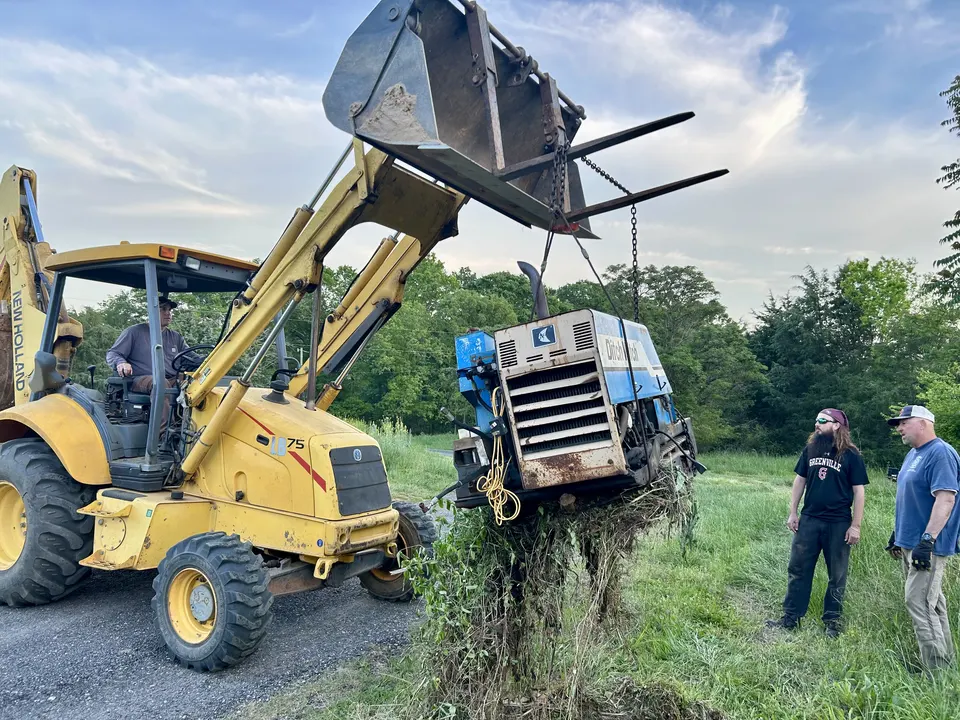
Gas Line Installation in Brevard, NC
Adding gas heat, a generator, or a fireplace — how a trenchless gas line goes in through mountain terrain.
Read article
What Happens If You Hit an Underground Utility?
Gas, electric, water, fiber — the strike protocol for each, and how 811 locates prevent it entirely.
Read article
Bore Under a Driveway Without Tearing It Up
How directional boring passes beneath concrete, asphalt, and pavers with the surface untouched.
Read article