
HDPE (high-density polyethylene) is the current standard for new water service line installations in South Carolina. It's flexible enough for trenchless directional boring, chemically inert (no corrosion, no scale), rated for 50–100 years underground, and meets SC plumbing code for potable water service. PEX is a solid alternative for shorter runs. Copper is proven but costlier and more vulnerable to SC's soil chemistry. Galvanized steel, polybutylene, and lead should be replaced on any timeline you can manage.
HDPE — The Best Choice for Most Installations
High-density polyethylene has become the dominant material for new underground water service line installation across the United States — and for good reason. It solves most of the failure modes that plague older pipe materials.
HDPE (High-Density Polyethylene)
HDPE pipe used for water service lines is typically sold in coiled rolls — 100 or 150 foot coils for residential service. This makes it ideal for directional boring: the coiled pipe unwinds and pulls back through the bore hole in one continuous run without joints underground. Fewer joints means fewer potential leak points.
HDPE does not corrode, scale, or interact with South Carolina's mildly acidic Piedmont soil chemistry. It's approved for potable water at pressures well above residential supply levels, and it's flexible enough to accommodate minor ground movement without cracking. Root intrusion — a common killer of older PVC and clay pipe — cannot penetrate HDPE.
PEX — Flexible and Cost-Effective for Shorter Runs
Cross-linked polyethylene (PEX) has become ubiquitous in interior home plumbing over the last decade. It's also a code-approved option for underground water service lines in South Carolina, particularly for shorter runs under 100 feet.
PEX (Cross-Linked Polyethylene)
PEX's main limitation for underground service line use is UV sensitivity — it degrades when exposed to sunlight. Any section that exits the bore pit and is above-grade for connections must be sleeved or shielded. For fully buried runs, this isn't a concern. PEX also has slightly lower temperature and pressure ratings than HDPE at elevated conditions, though this is rarely a factor in residential supply service.
Copper — Proven but Increasingly Replaced
Copper was the gold standard for water service lines through most of the 20th century, and it remains code-compliant and widely installed. It's still an excellent material — but several factors make it less preferred than HDPE for new installations in Upstate SC.
Copper (Type K)
Copper's primary vulnerability in South Carolina is pinhole corrosion from mildly acidic groundwater and soil chemistry. Upstate SC's Piedmont soil has a slightly acidic pH (5.5–6.5 in many areas) that accelerates corrosion on the outside of buried copper pipe. This is the same phenomenon that makes copper gutters turn green — just slower and underground. A copper line that develops pinhole leaks needs full replacement, not patch repair.
Copper is also rigid — it comes in straight sections requiring joints at every direction change. Each joint underground is a potential leak point. HDPE and PEX coil through bore paths in one continuous run with no underground joints.
PVC — Limited Application for Service Lines
Schedule 40 and Schedule 80 PVC is widely used for drainage and irrigation, and it's acceptable for certain water distribution applications. However, for residential water service lines in South Carolina, PVC has some limitations:
- Rigid — requires joints at every bend, creating multiple underground failure points
- Brittle in cold temperatures — can crack during freeze events if water inside freezes
- Not suitable for directional boring (cannot be coiled through bore paths)
- Best suited for open-trench installation with straight runs
PVC remains code-compliant for water service in SC and is used successfully in open-trench commercial water main installations. For residential trenchless replacement, HDPE is the superior choice.
What to Avoid: Galvanized, Polybutylene, and Lead
If your home has any of these pipe materials in its service line, proactive replacement is the right call — don't wait for failure.
Galvanized Steel
Common in homes built before 1970. Galvanized steel corrodes from the inside out. The zinc coating that prevents corrosion is consumed over time, after which iron oxide (rust) builds up on the interior wall of the pipe, progressively restricting flow. You'll see this as gradually worsening water pressure and eventual brown-tinted water. Expected service life is 40–70 years — well-past end of life on pre-1970 SC homes. Replacement now, before catastrophic failure, is far less expensive.
Polybutylene (PB)
Used in homes built from 1978 to 1995, polybutylene was recalled after widespread failure caused by chlorine degradation. Polybutylene pipe fails from the inside out and typically gives no warning before it ruptures. If your home was built in this period and has gray plastic pipe entering through the slab or crawl space, have it tested and replaced immediately. This applies to both interior plumbing and the underground service line.
Lead
Lead service lines are rare in Upstate SC compared to older northern cities, but they do exist in neighborhoods built before 1930. Any confirmed lead pipe should be replaced immediately — there is no safe level of lead in drinking water. Contact your local utility to determine if the utility-side connection is also lead, which may qualify for utility-funded replacement.
SC-Specific Recommendations
For a water service line replacement near Greenville, Spartanburg, Anderson, or anywhere in Upstate SC's Piedmont region, here's the practical guidance:
- New installation or full replacement: HDPE — specifically HDPE 4710 (DR11 or DR9 for residential service pressure), installed via directional boring for yard-intact replacement.
- Short run (<75 ft) or budget-sensitive replacement: PEX-A — flexible, affordable, and well-suited to the relatively mild SC climate. Protect above-grade sections from UV.
- Copper line in otherwise good condition: Leave it and monitor. If you're seeing pinhole leaks, have it assessed before planning the full replacement.
- Galvanized line 40+ years old: Schedule replacement on a planned timeline rather than waiting for emergency failure.
- Polybutylene or lead: Replace as soon as possible.
For more on the trenchless installation process these materials support, see our guide on installing a water line without damaging your yard. For slab home considerations, see replacing a water line under a slab foundation.
Sloan Underground Construction has been installing HDPE and PEX water service lines across Greenville, Spartanburg, Anderson, and Upstate South Carolina since 1965. Call (864) 386-1649 or visit our water line installation page for a free estimate.
Frequently Asked Questions
What is the best pipe material for a water service line in South Carolina?
HDPE (high-density polyethylene) is the current standard for underground water service line installation in South Carolina. It's flexible enough to be coiled and pulled through a directional bore, corrosion-resistant, rated for 50+ years, and approved by SC building codes for potable water service. PEX is an acceptable alternative for shorter runs where the pipe is protected from UV exposure. Copper remains code-compliant and is still installed, but it's more expensive and more vulnerable to South Carolina's mildly acidic groundwater and freeze events.
How long does HDPE water line pipe last?
HDPE pipe installed for underground water service is rated for a service life of 50–100 years under normal operating conditions. Unlike galvanized steel (which corrodes from the inside out) or copper (which can develop pinhole leaks from acidic groundwater), HDPE is chemically inert and does not corrode, scale, or react with SC's soil chemistry. It is also highly resistant to root intrusion and can flex under ground movement without cracking. These properties make it the preferred choice for trenchless directional bore installations.
Is PEX pipe allowed for underground water service lines?
PEX-A and PEX-B are allowed for underground water service line use in South Carolina when properly sleeved or protected from UV exposure at entry/exit points. PEX is flexible like HDPE and works well for shorter trenchless runs. However, PEX is more susceptible to UV degradation if left exposed above ground and has slightly lower pressure ratings at elevated temperatures compared to HDPE. For residential service lines under 100 feet in SC, PEX is a cost-effective and code-compliant choice. For longer or more complex runs, HDPE is preferred.
Should I replace galvanized steel water line pipe?
Yes, if your home has galvanized steel service line pipe and the line is older than 40 years, replacement should be on your planning horizon even before failure. Galvanized pipe corrodes from the inside out, gradually restricting flow as scale builds on the interior walls. This appears first as reduced water pressure throughout the house — especially at showerheads and aerators — and later as rusty or brown-tinged water. Waiting for catastrophic failure is more expensive and disruptive than a planned replacement. Trenchless directional boring replaces the old line cleanly without disturbing your yard.
Related Articles
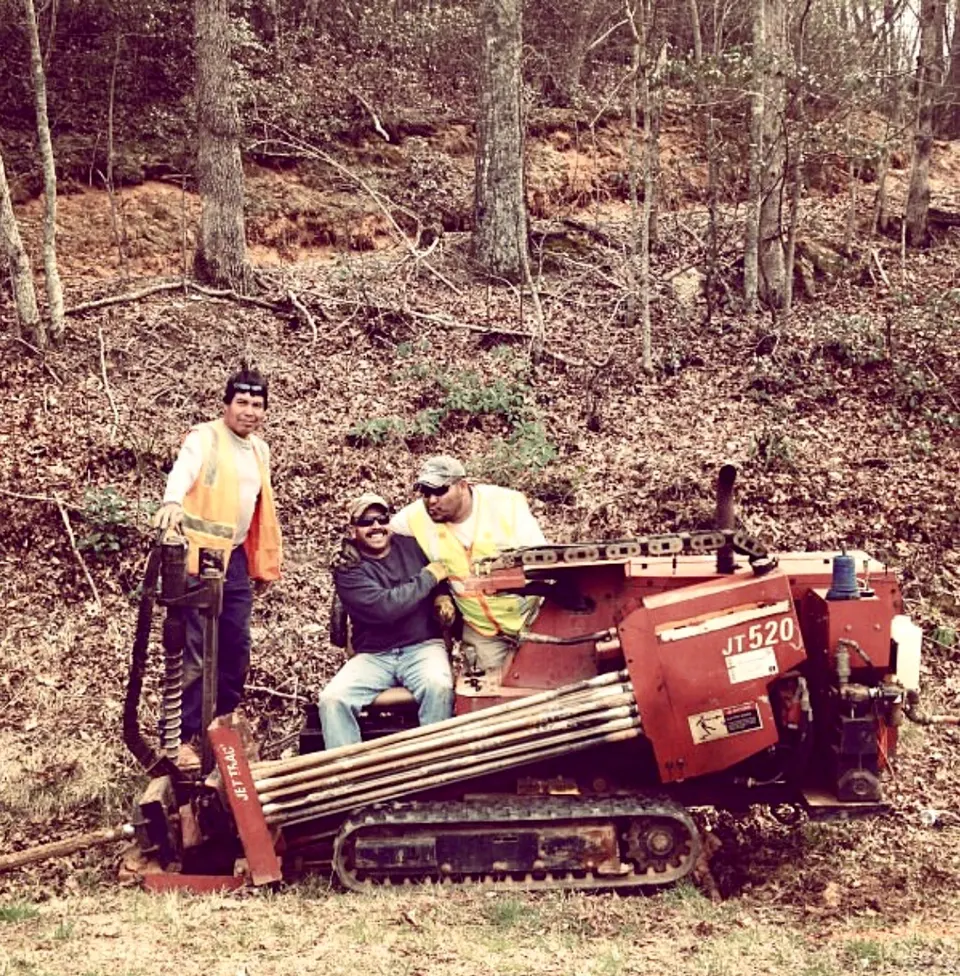
Replacing a Water Line Under a Slab
Methods, costs, permits, and what to expect for slab home water line replacement in Upstate SC.
Read article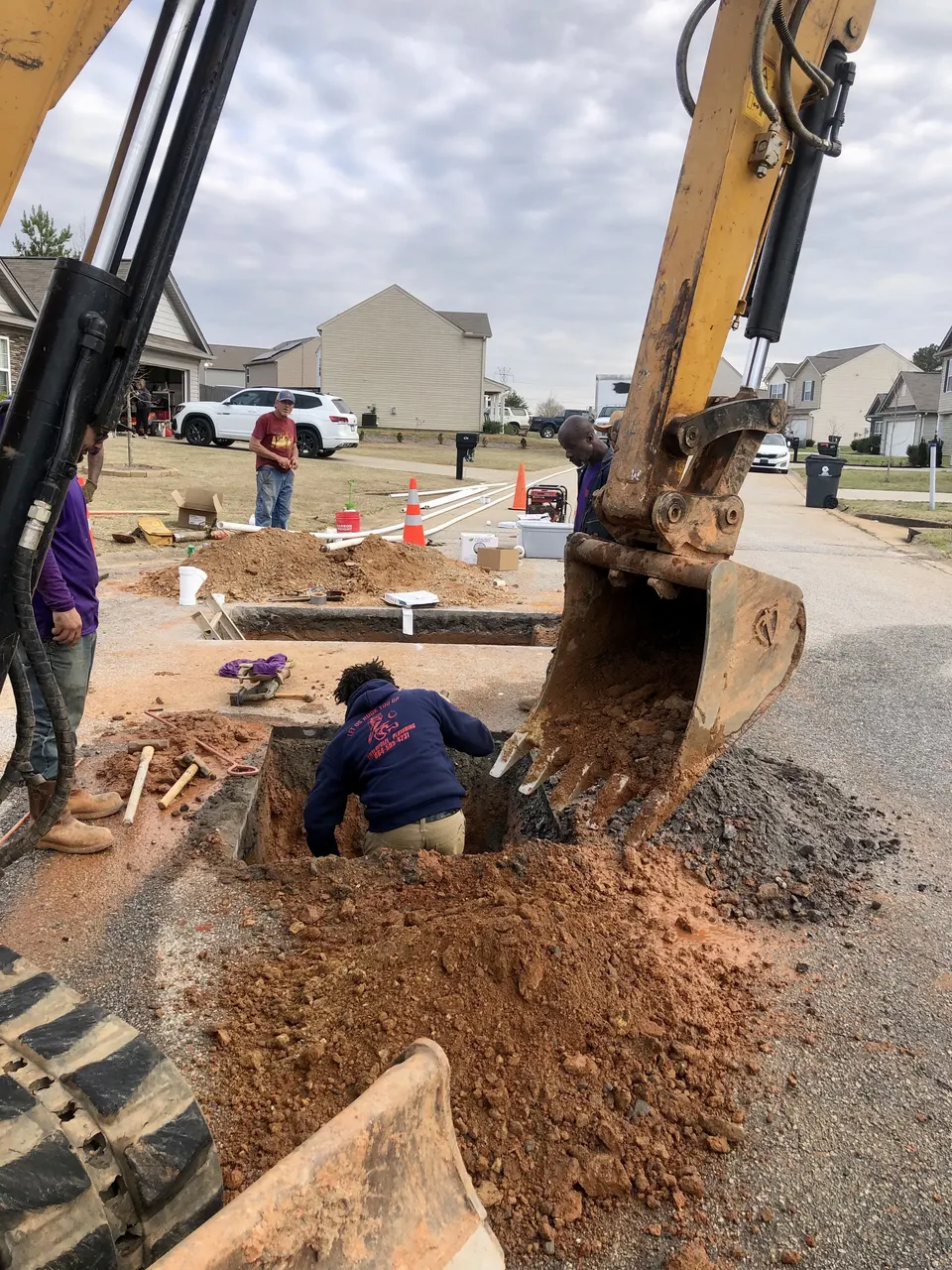
Install a Water Line Without Damaging Your Yard
How trenchless directional boring protects lawns, landscaping, and driveways during water line installation.
Read article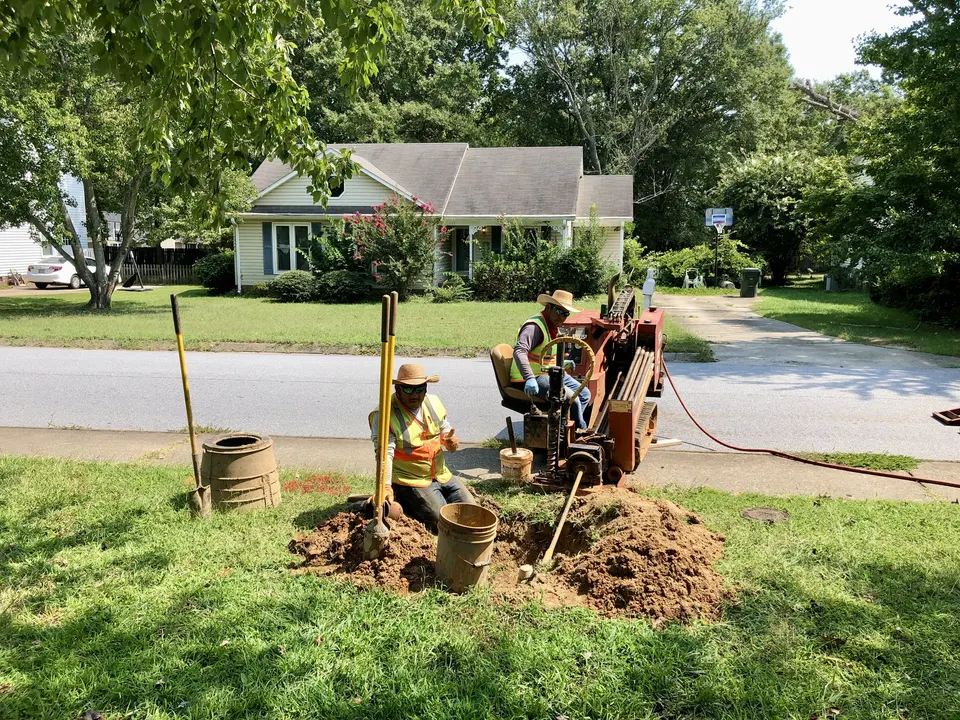
Replacing a Water Line at a Coastal SC Home Without Digging
Sandy soil, high water table, KICA/SIPOA rules — why a bore beats a trench on Kiawah and Seabrook lots.
Read article